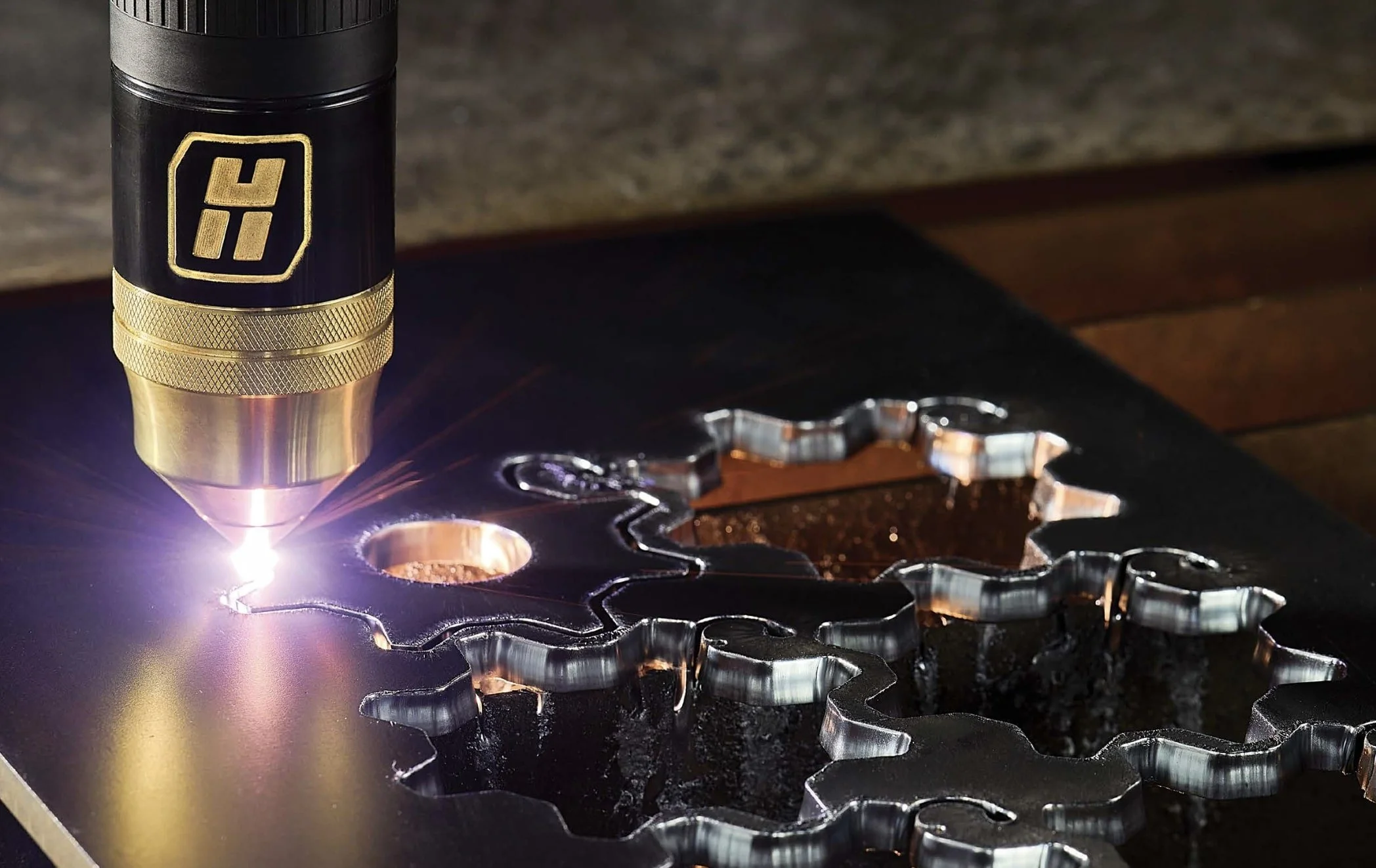
In industrial plasma cutting, consumables directly affect cutting quality, machine uptime, and operating costs. When consumables wear out too quickly, businesses face more downtime, inconsistent cuts, and rising production expenses. For companies using a Hypertherm HPR Plasma system, extending consumable life is not just about saving money—it is about improving overall productivity.
Many fabrication shops and heavy manufacturing facilities struggle with short consumable lifespans because of poor setup, incorrect gas settings, contamination, or improper operating practices. The good news is that most of these issues can be prevented with the right approach.
This guide explains practical and proven methods to extend consumable life in Hypertherm HPR Plasma systems while maintaining high-quality cutting performance in demanding industrial environments.
Why Consumable Life Matters in Plasma Cutting
Consumables are the working components of a plasma cutting torch. Parts such as electrodes, nozzles, shields, swirl rings, and retaining caps are exposed to extreme heat and pressure during cutting.
When consumables wear prematurely, it can lead to:
- Poor edge quality
- Increased dross formation
- Arc instability
- More machine downtime
- Higher operating costs
- Reduced production efficiency
In high-volume industries like shipbuilding, steel fabrication, automotive manufacturing, and heavy engineering, even small improvements in consumable lifespan can significantly reduce operational expenses.
A well-maintained Hypertherm HPR Plasma system can deliver excellent cut quality and longer consumable performance when operators follow recommended best practices.
Understand the Main Causes of Consumable Wear
Before improving consumable life, it is important to understand what damages them.
Incorrect Pierce Height
Piercing too close to the material is one of the most common reasons for nozzle damage. Molten metal can splash back into the torch, damaging the nozzle opening and electrode.
Maintaining the correct pierce height helps reduce direct exposure to molten metal during the piercing process.
Poor Gas Quality
Contaminated gas supply introduces moisture, oil, or dirt into the plasma system. This contamination affects arc stability and causes faster wear of electrodes and nozzles.
Always use clean, dry, and properly filtered gases for optimal performance.
Improper Cutting Parameters
Running incorrect amperage, gas pressure, or cutting speed places unnecessary stress on consumables. Excessive amperage can overheat components, while slow cutting speeds may increase dross buildup.
Following manufacturer-recommended settings improves both cutting quality and consumable lifespan.
Torch Collision
Torch crashes with the workpiece can instantly damage consumables and torch components. Proper torch height control systems help avoid accidental contact during cutting operations.
Use Genuine and Compatible Consumables
One of the biggest mistakes industrial buyers make is choosing low-quality replacement parts to reduce short-term costs. Cheap consumables often result in inconsistent cuts, unstable arcs, and shorter lifespans.
Using genuine or high-quality compatible Hypertherm HPR Plasma consumables ensures:
- Better heat resistance
- Accurate fitment
- Stable arc performance
- Longer operational life
- Improved cutting precision
Industrial buyers looking for reliable cutting performance should focus on quality and compatibility instead of only comparing prices.
For businesses working with demanding cutting applications, this guide on Hypertherm HPR Plasma Consumables for High-Speed Industrial Cutting Applications explains how advanced consumables support faster and cleaner industrial cutting processes.
Maintain Proper Gas Flow and Pressure
Gas quality and pressure settings play a critical role in extending consumable life.
Use High-Quality Filters
Install moisture separators and filtration systems to remove:
- Water vapor
- Oil particles
- Dust contamination
Even small amounts of contamination can damage internal torch parts over time.
Check Gas Pressure Regularly
Incorrect gas pressure affects arc shape and cut quality. Too much pressure can create unstable arcs, while insufficient pressure reduces cutting efficiency.
Operators should routinely inspect regulators, hoses, and gas supply lines for leaks or pressure fluctuations.
Optimize Torch Height Control
Torch height control directly impacts consumable wear and cut consistency.
If the torch sits too close to the material, consumables are exposed to excessive heat and molten metal. If it is too far away, arc instability can occur.
Modern CNC plasma systems use automatic torch height control to maintain an ideal distance during cutting. Proper calibration improves:
- Consumable lifespan
- Cut-edge quality
- Arc stability
- Piercing accuracy
Routine calibration checks are essential in high-production environments.
Follow Correct Piercing Practices
Piercing creates the highest level of stress on plasma consumables. Improper piercing techniques can quickly shorten nozzle and electrode life.
Recommended Piercing Tips
- Use the correct pierce height settings
- Avoid excessive pierce delays
- Pierce away from finished edges when possible
- Reduce unnecessary piercing operations
- Use lead-ins for smoother starts
Operators who follow proper piercing procedures often see a major improvement in consumable longevity.
Monitor Electrode Wear
Electrodes gradually wear during operation, and continuing to use heavily worn electrodes can damage other consumable parts.
A worn electrode can cause:
- Arc wandering
- Poor cut quality
- Nozzle damage
- Inconsistent penetration
Inspect electrodes regularly and replace them before severe wear occurs. Preventive replacement is more cost-effective than waiting for complete failure.
Keep the Torch and Cooling System Clean
Heat buildup is a major cause of premature consumable wear. A clean cooling system helps maintain stable operating temperatures.
Maintenance Best Practices
- Clean torch components regularly
- Inspect cooling lines for blockage
- Replace worn O-rings
- Maintain proper coolant levels
- Remove metal dust from surrounding equipment
Routine maintenance reduces overheating and improves overall plasma system reliability.
Train Operators Properly
Even advanced plasma systems depend on skilled operators. Poor handling, incorrect setup, and inconsistent practices often lead to unnecessary consumable replacement.
Operator training should include:
- Correct parameter selection
- Torch inspection procedures
- Gas setup verification
- Safe piercing techniques
- Consumable replacement timing
Well-trained operators can significantly extend the life of Hypertherm HPR Plasma consumables while improving production quality.
Reduce Downtime with Preventive Maintenance
Many fabrication facilities only replace consumables after performance problems appear. A preventive maintenance approach is more effective.
Create a Maintenance Schedule
A structured maintenance routine should include:
| Maintenance Task | Frequency |
|---|---|
| Gas filter inspection | Weekly |
| Torch cleaning | Daily |
| Consumable inspection | Every shift |
| Coolant check | Weekly |
| Torch alignment verification | Monthly |
Regular inspections help identify minor issues before they become expensive production problems.
Buyer’s Guide: Choosing the Right Consumables Supplier
Industrial buyers should carefully evaluate suppliers before purchasing plasma consumables.
Product Quality
Choose suppliers offering high-quality and application-tested consumables that meet industrial cutting requirements.
Compatibility
Ensure consumables are compatible with your specific Hypertherm HPR Plasma system model and amperage range.
Technical Support
Experienced suppliers can help optimize cutting parameters and troubleshoot consumable wear issues.
Inventory Availability
Reliable stock availability reduces production delays and emergency downtime.
Cost Efficiency
The cheapest consumables are not always the most economical. Longer-lasting consumables usually provide better long-term value.
Real-World Industry Example
A heavy fabrication company cutting thick carbon steel plates experienced excessive nozzle replacement every two days. After reviewing their operation, technicians discovered moisture contamination in the compressed gas supply and incorrect pierce height settings.
By installing improved filtration systems and adjusting torch height parameters, the company extended consumable life by nearly 40%. This reduced downtime and improved cut consistency across multiple CNC cutting tables.
This example highlights how small operational changes can create significant cost savings in industrial plasma cutting operations.
Common Signs Consumables Need Replacement
Operators should monitor for these warning signs:
- Rough or angled cut edges
- Excessive dross formation
- Difficulty starting the arc
- Increased torch noise
- Visible nozzle damage
- Inconsistent cut penetration
Ignoring these signs may damage other torch components and reduce cutting accuracy.
FAQs
How long do Hypertherm HPR Plasma consumables typically last?
Consumable life depends on material type, amperage, gas quality, and operating practices. Proper maintenance and setup can significantly increase lifespan.
What causes plasma consumables to wear out quickly?
Common causes include incorrect pierce height, contaminated gases, improper cutting settings, and poor torch maintenance.
Can poor gas quality damage plasma consumables?
Yes. Moisture, oil, and dirt contamination can destabilize the arc and cause faster electrode and nozzle wear.
Are genuine consumables better than cheaper alternatives?
High-quality genuine or compatible consumables usually provide better fit, arc stability, and longer operational life.
How often should plasma consumables be inspected?
Consumables should ideally be checked during every production shift to identify wear before performance declines.
Conclusion
Extending consumable life in Hypertherm HPR Plasma systems requires a combination of proper setup, preventive maintenance, operator training, and high-quality consumables. Small improvements in gas quality, torch height control, and piercing practices can produce major savings in industrial cutting operations.
For fabrication shops and manufacturing facilities, longer consumable life means lower operating costs, better cut quality, reduced downtime, and higher production efficiency.
Businesses looking to improve plasma cutting performance should work with reliable consumable suppliers and follow manufacturer-recommended maintenance practices for the best long-term results.
Comments on “How to Extend Consumable Life in Hypertherm HPR Plasma Systems”